 OsifyAI
Introduction
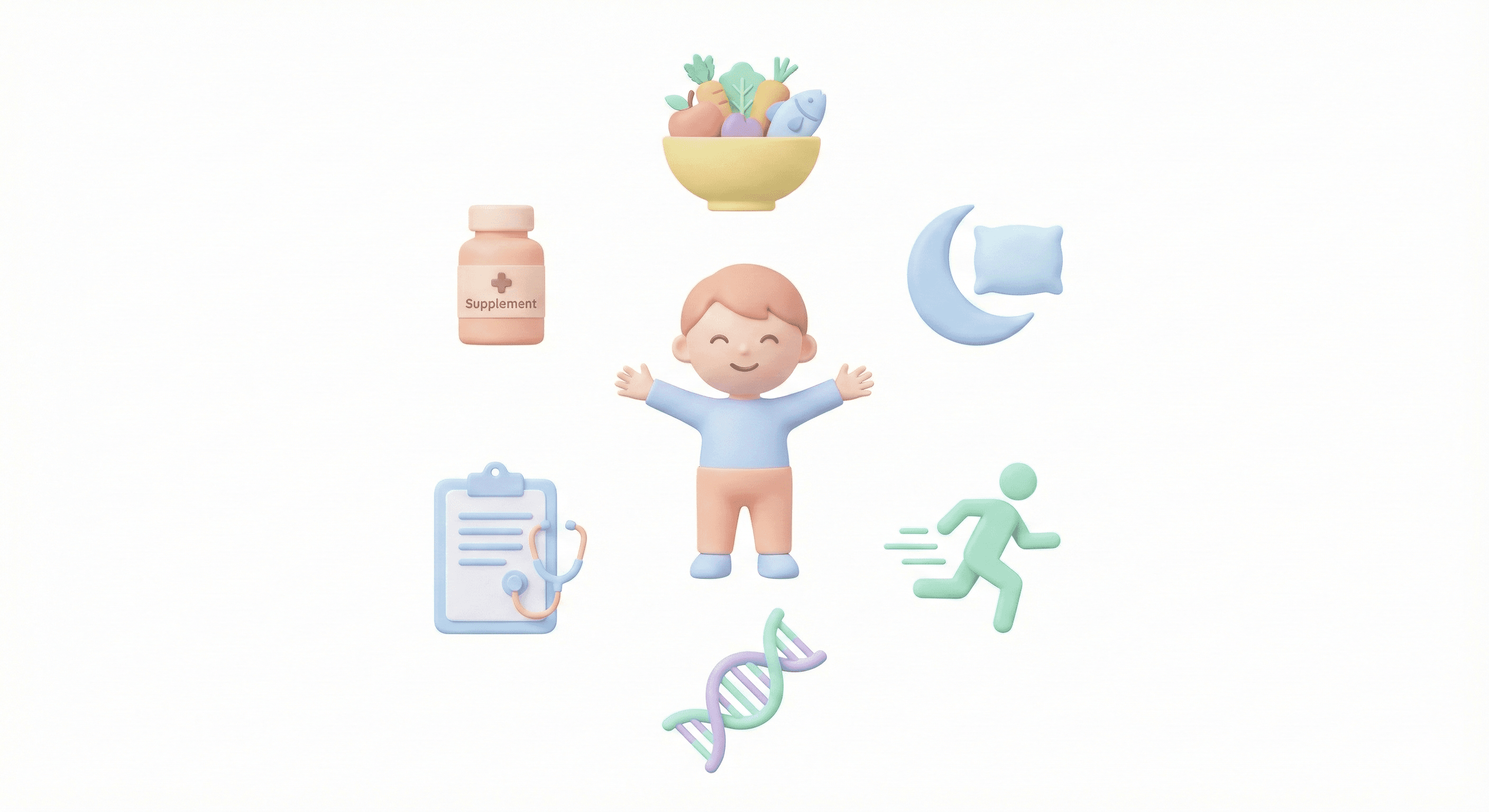
Healthy growth in a child is a serious concern for every family. Parents want their child’s height, weight, muscles, bones, and even mental development and focus to be the best they can be. Alongside natural nutrition and a healthy lifestyle, many families think about dietary supplements for growth—from vitamin drops and syrups to protein powders, omega-3 capsules, herbal appetite syrups, and dozens of other products.
The key point is that a child’s body first and foremost needs an adequate, balanced diet, and supplements only enter the picture when there is a deficiency or special need—and even then, only after a specialist’s evaluation. The best sources of vitamins, minerals, protein, and healthy fats are still everyday, natural foods. At best, supplements play the role of a “helper,” not the main hero.
In this article, using simple but scientifically grounded language, we’ll first introduce the main supplements related to growth, then move on to key points about buying and using them, and finally review warnings and precautions. Throughout the text, we’ll repeat one sentence many times, because it’s truly vital:
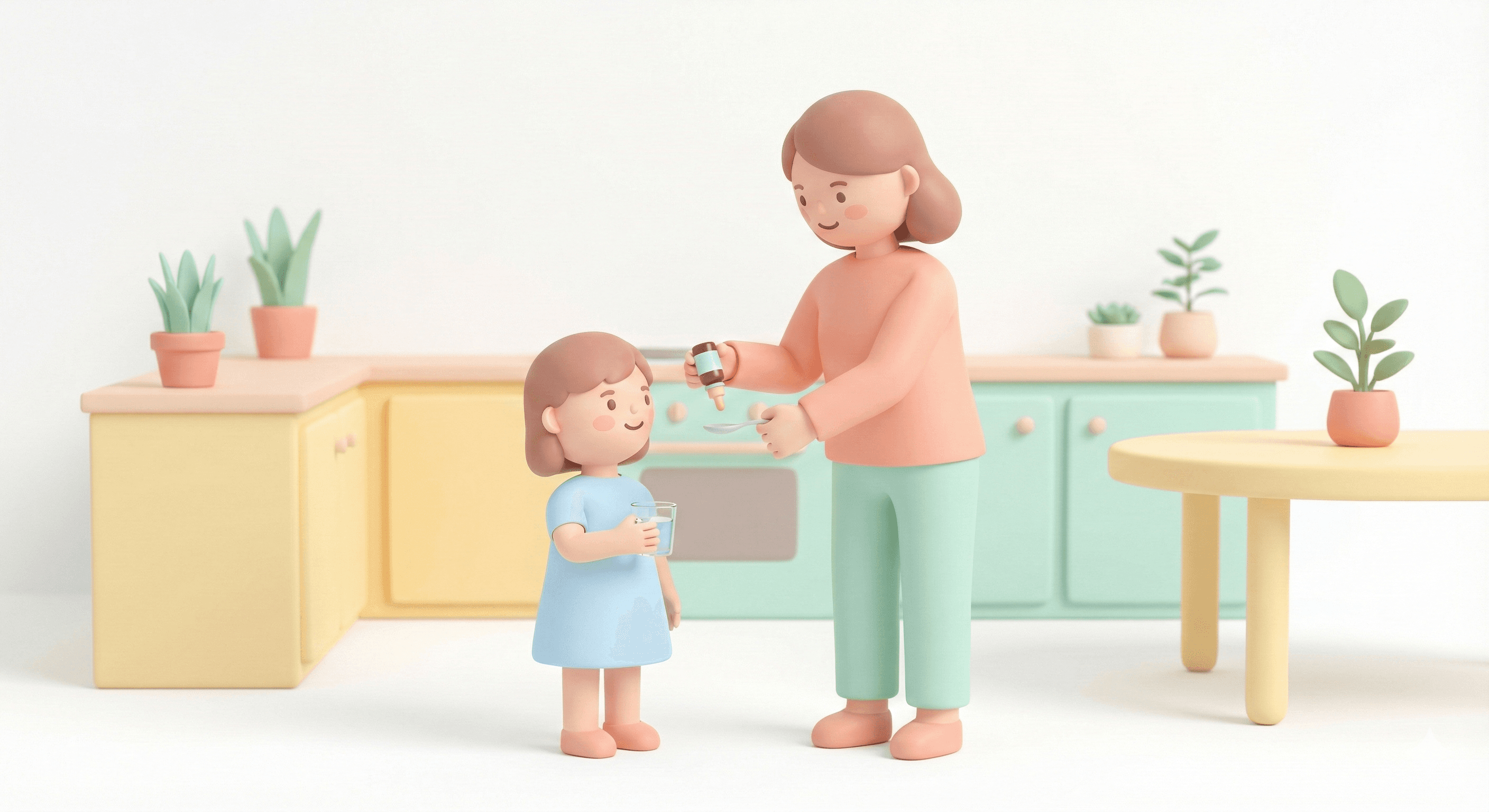
Any dietary supplement for growth (vitamins, minerals, protein powders, omega-3, etc.) must be used for your child or teenager only and only after consulting and getting approval from a doctor. This article is not a substitute for a medical visit; it is to help you be more informed and ask better questions during your consultation.

Types of supplements related to growth
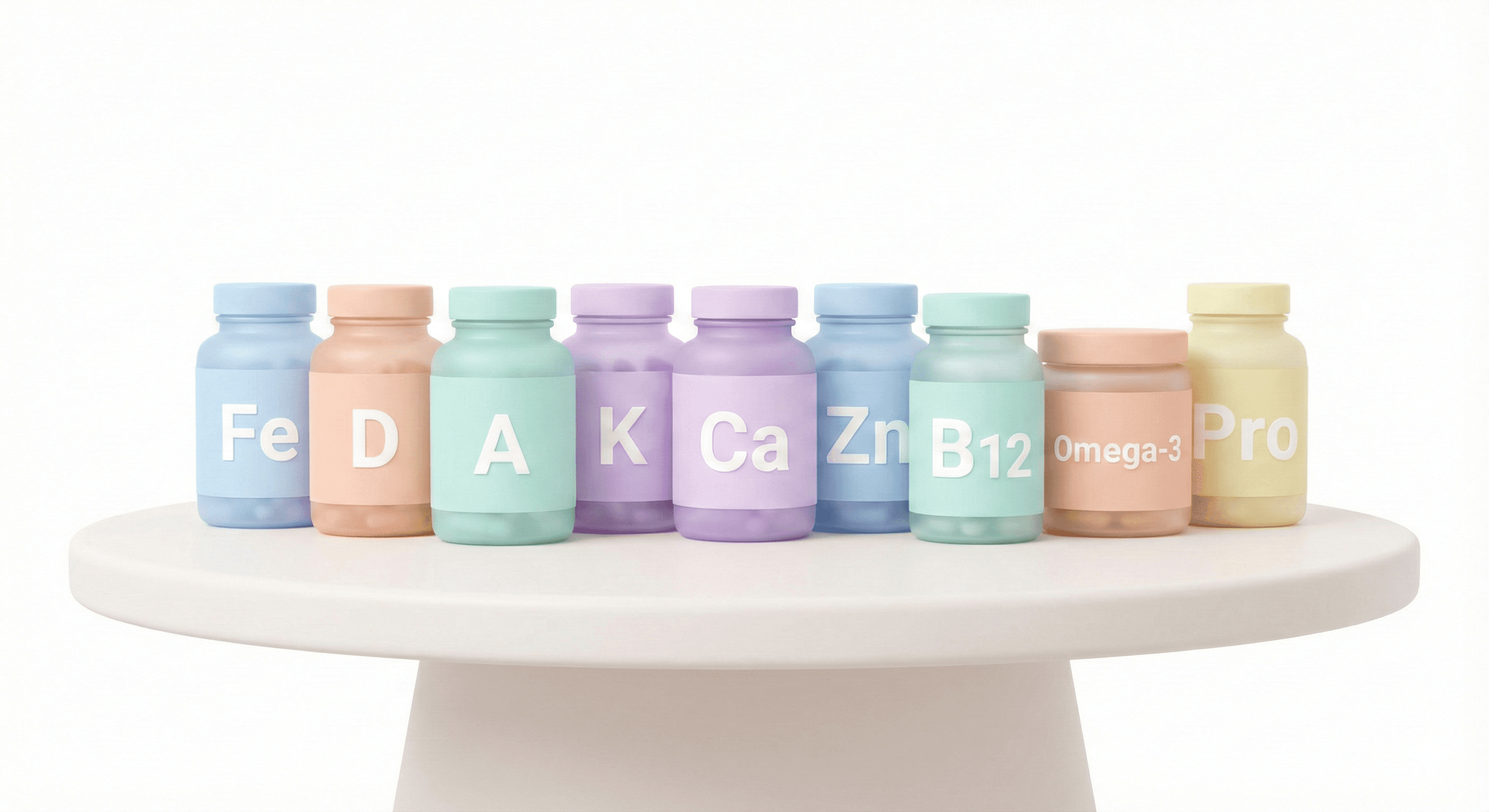
When we talk about “growth supplements,” we’re referring to several categories of nutrients, each of which plays a role in height, weight, muscle, brain, or immune development. The most important groups are: vitamins, minerals, proteins and amino acids, and other supplements such as omega-3, probiotics, herbal products, or multivitamins.
Ideally, a healthy child with adequate, varied nutrition gets almost all of these from food and doesn’t need extra supplements. When there is dietary deficiency, severe picky eating, underlying illness, abnormal growth, or special circumstances (for example, intense sports in teenagers), a doctor may use supplements to help correct the situation. In the following, we’ll go through each category separately.
Vitamins involved in growth
Vitamins are essential organic compounds. Without them, the body cannot grow properly, build tissues, maintain immune defenses, or keep normal metabolism going. Many vitamins have a direct or indirect role in children’s growth.
Vitamin D
Vitamin D is one of the most important vitamins for bone and tooth growth, because it helps absorb calcium and phosphorus from the intestines. Vitamin D deficiency in children can lead to soft bones, rickets, delayed height growth, and deformities of the limbs.
A large portion of vitamin D is produced in the skin under sunlight. However:
- Many children don’t get enough sun due to city living, air pollution, sunscreen use, or heavy clothing.
- Breast milk contains limited vitamin D and is usually not enough to fully cover an infant’s daily needs.
- Not all children regularly eat fatty fish, eggs, or fortified dairy products.
For these reasons, many countries recommend that all infants from around 2 weeks of age up to at least 12 months receive 400 IU (international units) of vitamin D daily in drop form. After 1 year of age, children’s daily requirement is usually considered around 600 IU, but how long supplementation should continue depends on the doctor’s judgment, the child’s diet, sun exposure, and sometimes blood test results.
Excess intake of vitamin D is dangerous and can cause abnormally high calcium in the blood, calcium deposits in the kidneys and other tissues, nausea, vomiting, and severe weakness. Therefore, any vitamin D drop or tablet must be taken exactly as prescribed and at the recommended dose; “doubling the dose on your own” is strictly forbidden.

Vitamin A
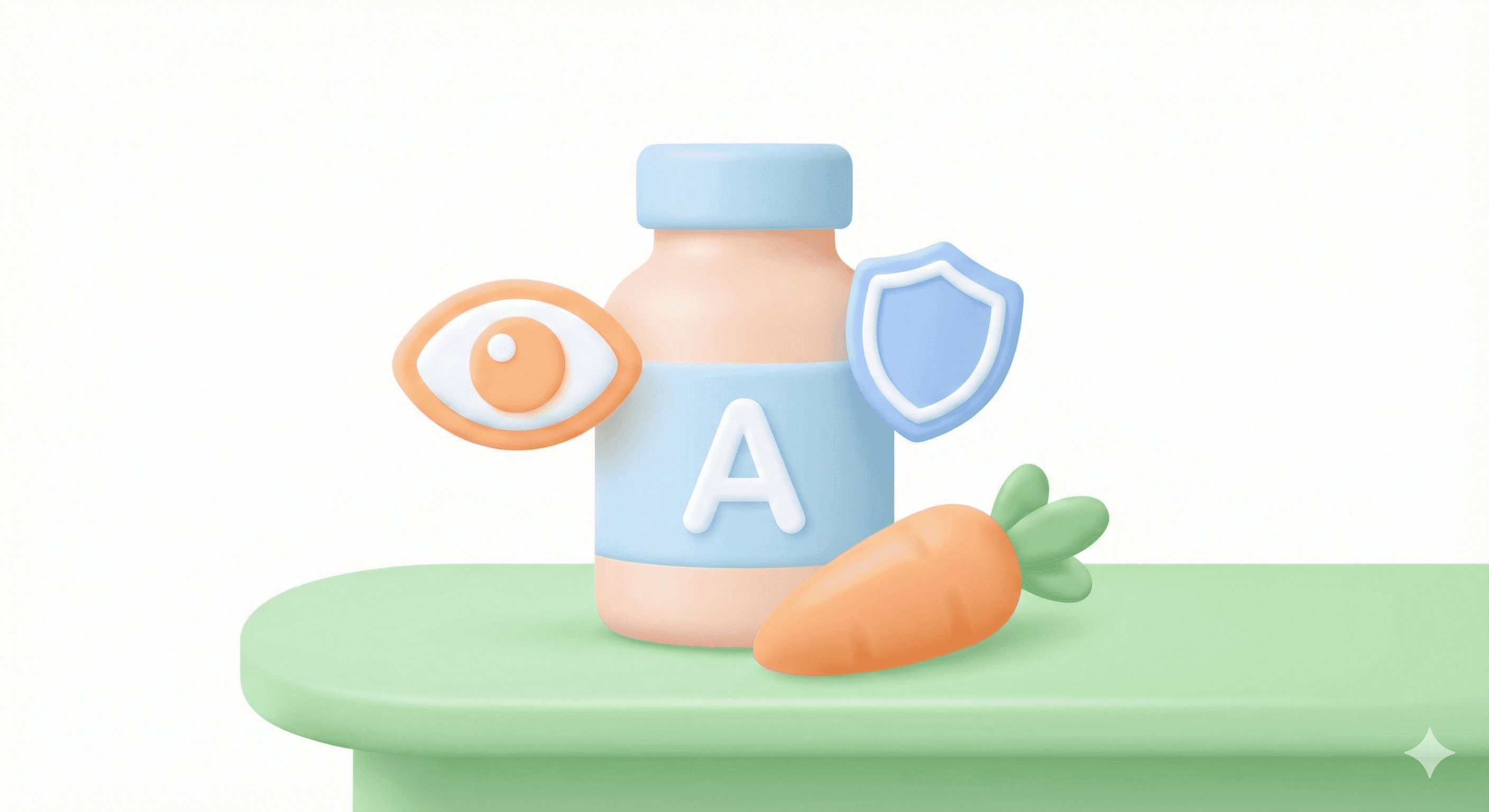
Vitamin A plays a crucial role in tissue growth, skin and mucosal health, immune function, and vision (especially night vision). Severe vitamin A deficiency can lead to growth problems, recurrent infections, and eye issues such as night blindness.
On the other hand, vitamin A is fat-soluble, so when taken in high doses over a long period, it can accumulate in the body and cause toxicity, with symptoms like headache, nausea, irritability, bone pain, and in severe cases, liver damage. For this reason, vitamin A supplements should never be taken without a doctor’s prescription or at doses above the recommended amounts.
In children with a decent diet, sources such as liver (in limited, controlled amounts), dairy products, eggs, and dark green or orange fruits and vegetables (carrots, pumpkin, spinach, etc.) usually provide enough vitamin A.
B-group vitamins and vitamin C
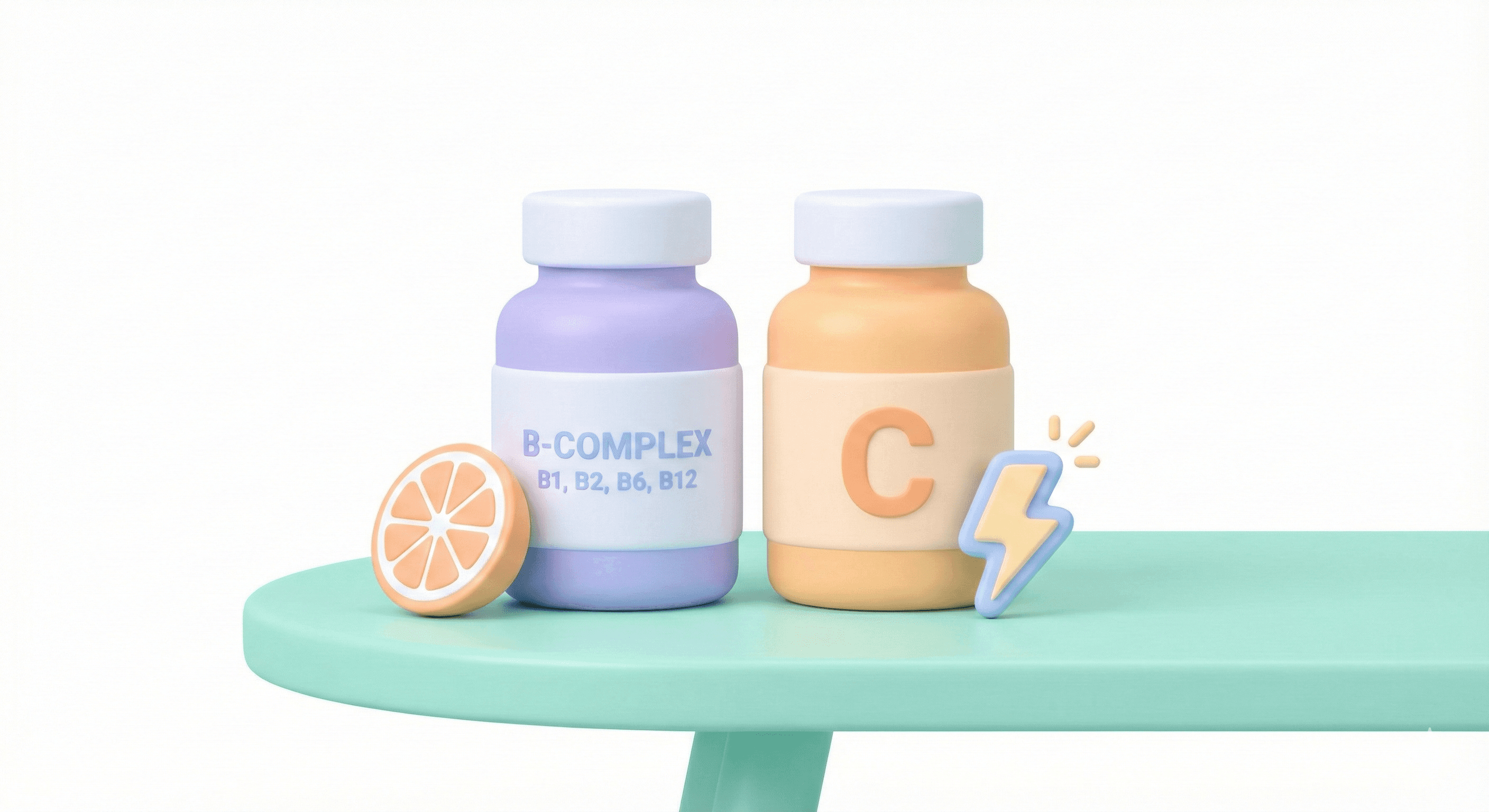
B-group vitamins (B1, B2, B3, B6, B12, folic acid, etc.) are involved in energy production, metabolism of proteins, carbohydrates and fats, and formation of red blood cells. Deficiency of some B vitamins can cause fatigue, poor appetite, anemia, and in severe cases, neurological problems and growth delay.
Vitamin C helps form collagen (a main component of connective tissue and bone), supports wound healing, normal immune function, and better absorption of iron from the intestines. Severe vitamin C deficiency causes scurvy, but this is rare in children with a varied diet including enough fruits and vegetables.
In most healthy children, daily consumption of fruits, vegetables, whole grains, and some meat or legumes provides adequate B vitamins and vitamin C. There is usually no need for multivitamins for these nutrients—unless a doctor determines that due to severe picky eating, dietary restriction, or specific illness, the child does not get enough vitamins from food.
Other vitamins: E and K
Vitamin E is an important antioxidant and protects cells against damage. Vitamin K is crucial for blood clotting and also plays some role in bone health. Vitamin K deficiency in newborns greatly increases the risk of serious bleeding, which is why in many countries a dose of vitamin K is given by injection right after birth.
Deficiencies of these two vitamins in otherwise healthy, well-nourished children are usually rare, and separate supplements are generally not needed—unless there are specific illnesses (for example, disorders that impair fat absorption in the intestines).
Minerals involved in growth
Minerals, alongside vitamins, are key building blocks for height, bone formation, blood production, and healthy function of the body’s systems. Certain minerals are especially important for children’s growth.
Calcium
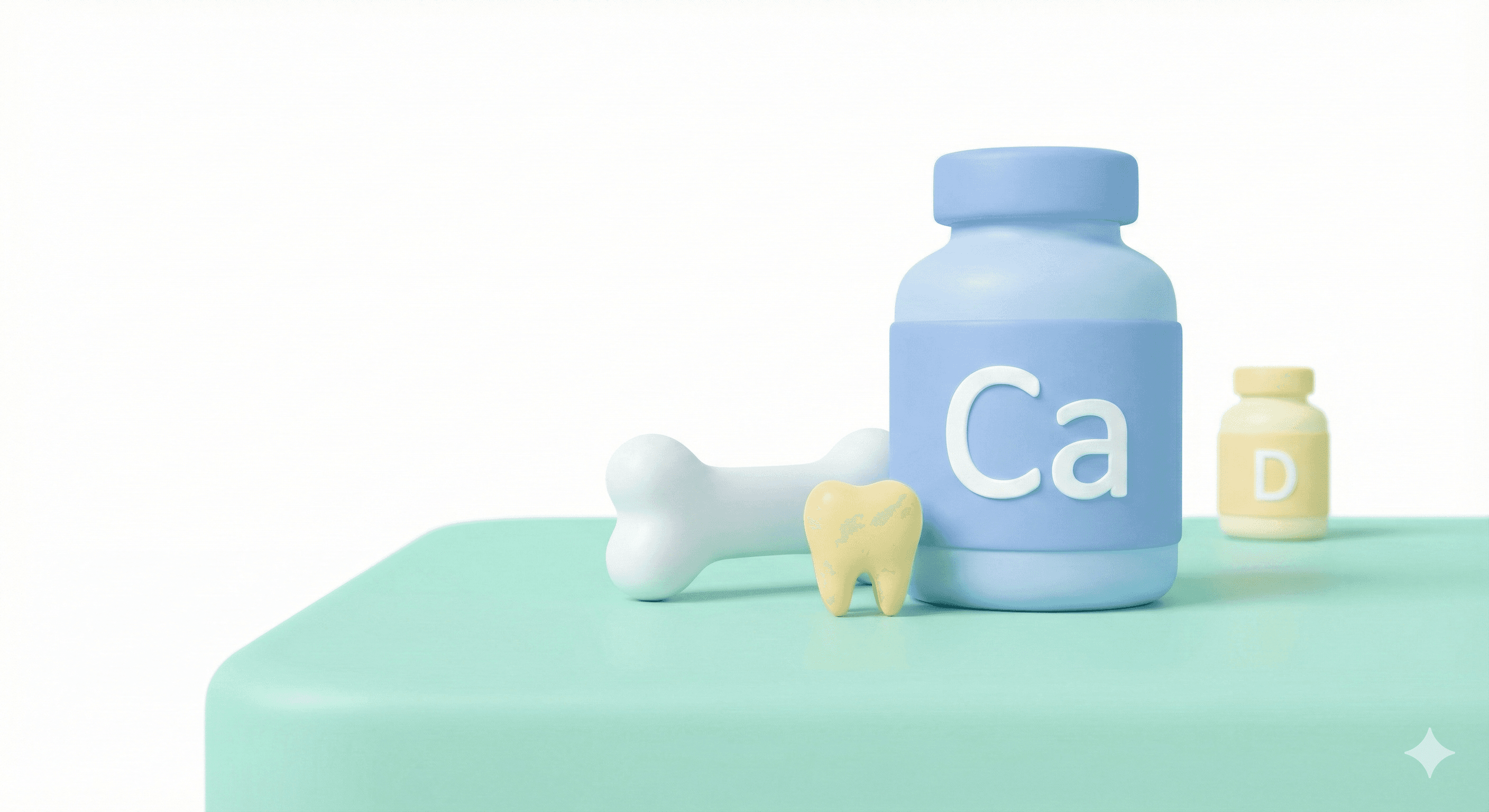
Calcium is the “main brick” of bones and teeth. In childhood and adolescence, bones grow rapidly and gain density. If adequate calcium is not provided during this period, it may:
- Limit height growth;
- Increase the risk of osteoporosis later in life;
- Make bones more fragile.
Good sources of calcium include milk and dairy products (yogurt, cheese, buttermilk), some leafy green vegetables (like broccoli), almonds, and certain fortified foods. If a child does not consume dairy at all or eats very little, or has a condition that impairs calcium absorption, a doctor may recommend a calcium supplement.
A key point is that calcium absorption depends on vitamin D. If vitamin D is low, even high calcium intake will not be fully absorbed. That’s why calcium and vitamin D supplements are often discussed together, and both doses need to be adjusted by a doctor.
Iron
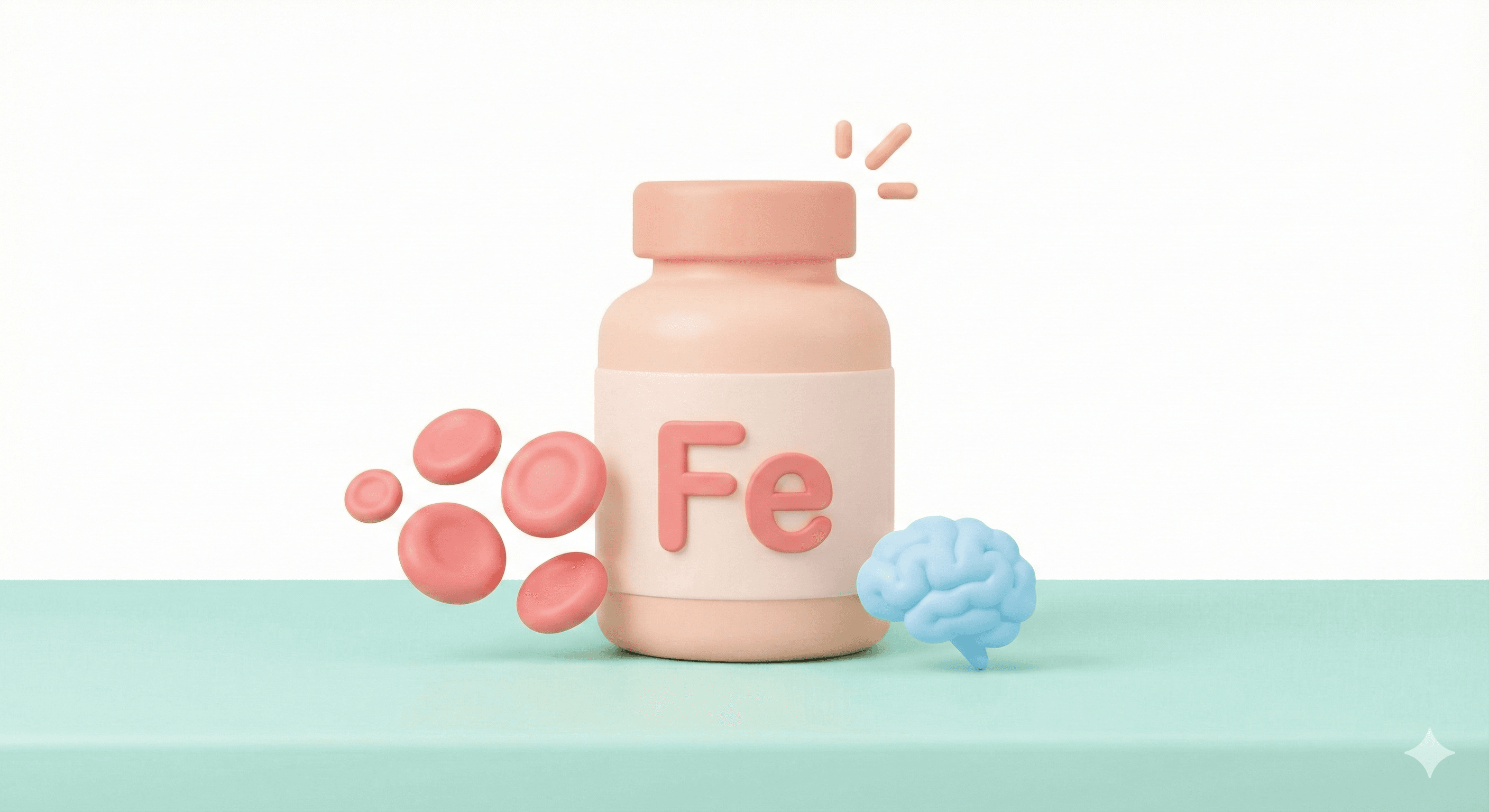
Iron is essential for blood formation, physical growth, brain development, and cognitive function. Iron deficiency is the most common nutritional deficiency in children in many countries and can cause iron-deficiency anemia. Symptoms include:
- Fatigue, low energy, paleness
- Rapid heartbeat, shortness of breath on exertion
- Poor concentration, irritability
- Low appetite and, in the long term, slow growth
Adequate iron is very important for normal height and weight gain and also for brain development and learning. Iron sources include red meat, liver (in limited amounts), poultry, fish, egg yolk, legumes (like lentils and beans), vegetables like spinach, and fortified cereals. Animal-based iron (heme iron) is better absorbed than plant-based iron, but combining plant sources with vitamin C (for example, orange juice, bell pepper, tomatoes) improves absorption.
In many countries, iron and hemoglobin levels are checked during routine child visits. If anemia or iron deficiency is diagnosed, the doctor will prescribe iron supplements (drops, syrups, or tablets). The dose must be followed exactly because:
- Too little iron impairs growth;
- Too much iron is dangerous and can be toxic.
Iron pills or syrups are among the most common causes of accidental drug poisoning in children, so they should always be kept out of children’s reach.
Zinc
Zinc plays an important role in height growth, tissue repair, immune function, and even appetite. Zinc deficiency can cause slow growth, delayed puberty, and increased susceptibility to infections. Some studies show that zinc supplementation in children with malnutrition or zinc deficiency can modestly improve height growth. However, this effect is usually limited, and zinc is not a “magic height-increasing pill.”
Dietary sources of zinc include red meat, poultry, seafood (especially shellfish), nuts, legumes, and whole grains. Zinc deficiency is more likely in children with very restrictive diets, in deprived areas with poor nutrition, or in chronic gastrointestinal diseases that impair absorption. In such cases, the doctor may prescribe zinc supplements (for example, syrups or tablets) for a specific period.
Unnecessary zinc consumption without a real deficiency can interfere with absorption of other minerals, such as copper. So self-medicating with zinc syrups or tablets just because “we heard it’s good for height” is not sensible.
Iodine
Iodine is essential for the normal function of the thyroid gland. Thyroid hormones regulate height growth, brain development, metabolism, energy, and even mood. Iodine deficiency during pregnancy and early childhood can lead to short stature, cognitive impairment, and serious developmental problems.
For this reason, many countries have programs for adding iodine to table salt to prevent deficiency. When a family uses standard iodized salt and the child eats some seafood, iodine requirements are usually met.
In special situations (for example, in areas with iodine deficiency, very restricted diets such as strict vegan diets, or in children with thyroid disease), a doctor may recommend an iodine supplement or a multivitamin containing iodine. This is a highly specialized topic and should never be done on one’s own.
Other minerals
Magnesium, phosphorus, potassium, copper, selenium, and other trace elements are also important for healthy muscles, nerves, heart, bones, and the immune system. In a balanced diet that includes fruits, vegetables, whole grains, dairy, and protein sources, severe deficiencies of these elements are uncommon. When tests or clinical status show a deficiency, a doctor may choose an appropriate supplement.

Proteins and amino acids
Proteins are the building blocks of muscles, organs, enzymes, hormones, and many other body structures. Without enough protein, the body cannot grow well, build muscle, repair tissues, or function normally. Amino acids are the units that make up proteins; some of them are “essential,” meaning the body cannot make them and they must come from food.
Growing children need relatively high amounts of protein for their body weight. Good protein sources include milk and dairy products, meat, poultry, fish, eggs, legumes, and soy. If a child consumes adequate amounts from these groups, there is usually no need for protein supplements.
In special situations such as:
- Severe, long-term picky eating;
- Chronic diseases that reduce appetite or nutrient absorption;
- Food allergies that remove large food groups from the diet;
- Professional sports in teenagers (for example, heavy strength training or endurance sports),
a doctor or dietitian may recommend limited, supervised use of protein powders or special nutritional drinks designed for children and teens.
Regarding teenage athletes, some studies have found that taking pure protein powders (such as whey or soy protein) in appropriate doses does not cause significant adverse effects, provided that the product:
- Is designed for their age group;
- Contains only protein and approved ingredients;
- Does not contain stimulants, steroids, hormones, or “secret formulas”;
- And the dose is set by a specialist, not based on advice at the gym or from friends.
Using adult bodybuilding powders for teenagers is clearly risky, because some of these products contain stimulants, hormones, or very high doses of protein and other substances that can harm the kidneys, liver, and heart.
As for specific amino acid supplements (such as arginine, lysine, etc.), if a child is getting enough protein from diet, they are rarely deficient in individual amino acids. There is no strong scientific evidence to support routine use of amino acid supplements to increase height in otherwise healthy children. These supplements are only considered in very specific medical contexts and strictly under the guidance of pediatric endocrinologists or nutrition specialists.
Other dietary supplements
Besides vitamins, minerals, and protein, there is another group of supplements that families may consider for growth or general health—namely omega-3 fatty acids, probiotics, herbal supplements, and multivitamins.
Omega-3 fatty acids (DHA and EPA)
Two important omega-3 fatty acids, DHA and EPA, play roles in brain development, vision, nervous system function, and possibly mood and behavior regulation. Good sources include:
- Fatty fish such as salmon, tuna, and sardines;
- Fish oil;
- Walnuts;
- Certain seeds and vegetable oils.
If a child does not eat enough fish or other omega-3 sources, some parents turn to omega-3 supplements (capsules, syrups, or gummies). Research in healthy school-age children shows that, in this group, omega-3 intake usually does not have a “miracle” effect on IQ or school performance, though there may be small improvements in attention and behavior in some cases. In children with attention problems (such as ADHD), some studies report modest benefits from omega-3, but it is not considered a main treatment and is more of a supportive option.
Omega-3 supplements at usual doses are relatively safe for most children but may cause mild side effects such as fishy taste, bad breath, indigestion, or diarrhea. At very high doses, they may affect blood clotting. Therefore, the appropriate dose and duration should be determined by a doctor, especially if the child is taking other medications such as blood thinners.
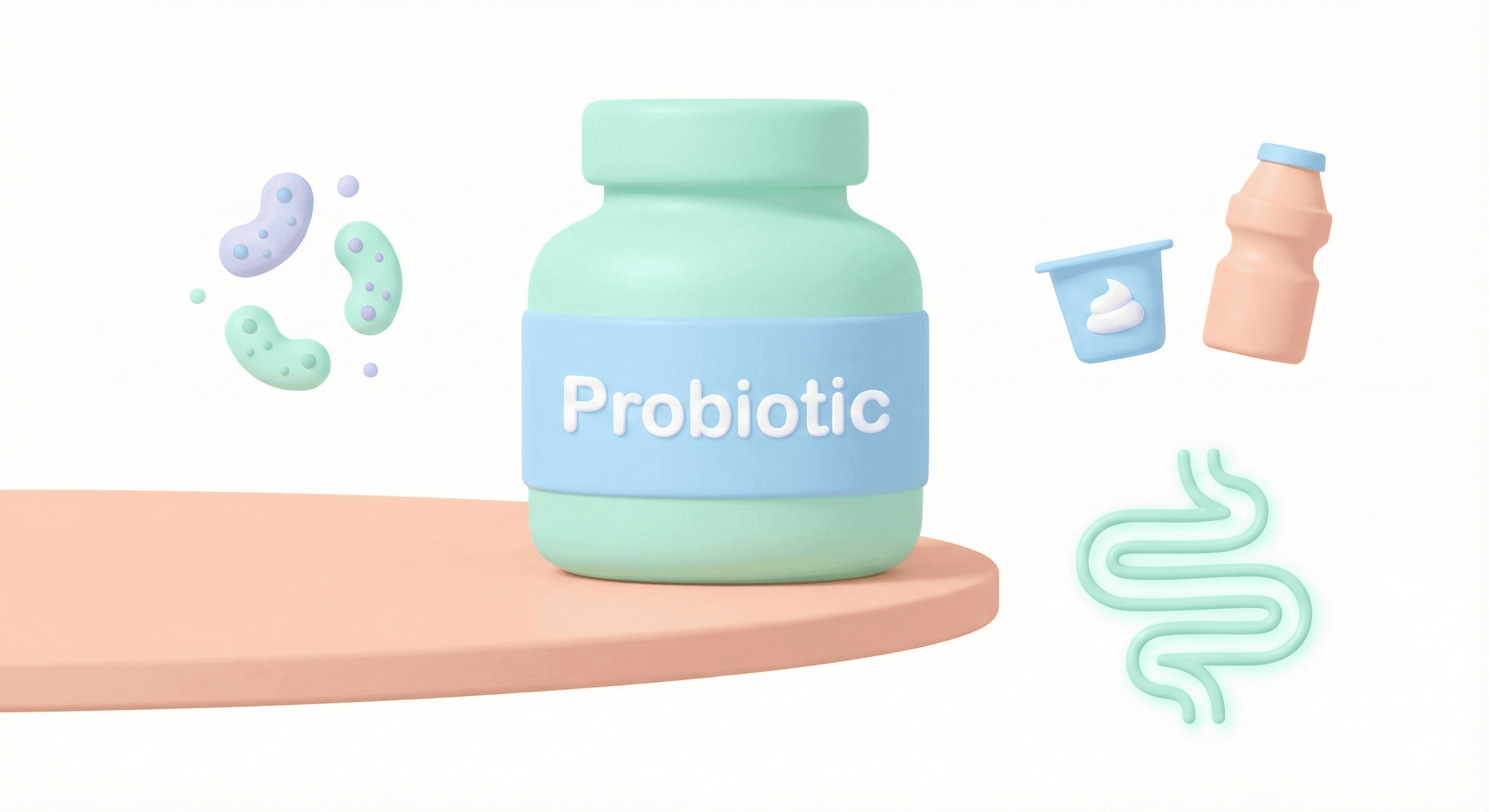
Probiotics
Probiotics are supplements containing beneficial gut bacteria (such as lactobacilli and bifidobacteria), intended to improve gut flora balance, reduce certain digestive issues, and possibly support the immune system indirectly. They appear as:
- Probiotic yogurts;
- Fermented drinks;
- Powder and capsule supplements.
Healthy intestines and good nutrient absorption are important for growth, so it’s reasonable for families to ask, “Can probiotics help with growth?” The answer is: in healthy children, probiotics are generally safe and may help with certain digestive issues (like some types of diarrhea), but there is no strong and conclusive evidence that probiotics increase height.
In children with certain illnesses, immune deficiencies, or in very premature infants, inappropriate use of probiotics can sometimes be risky. So before starting any probiotic supplement (especially powders or capsules), it is wise to consult the child’s doctor.
Herbal and “natural” supplements
The market for herbal and “natural” supplements is very broad. Some of these products are advertised as appetite boosters, energy enhancers, or growth promoters. Examples include herbal appetite syrups, ginseng, brewer’s yeast, and various other mixtures.
A few important points about these supplements:
- “Natural” does not mean safe. Many strong toxins come from nature.
- Many herbal supplements have not been studied rigorously and extensively in children; therefore, safe doses, long-term side effects, and interactions are not clearly defined.
- Some products may be contaminated with heavy metals, unknown drugs, or other pollutants during manufacturing.
For these reasons, the general recommendation is never to give herbal supplements to children without a doctor’s prescription, especially when they make bold claims such as “several centimeters of extra height in a few months” or “rapid appetite and weight gain.”

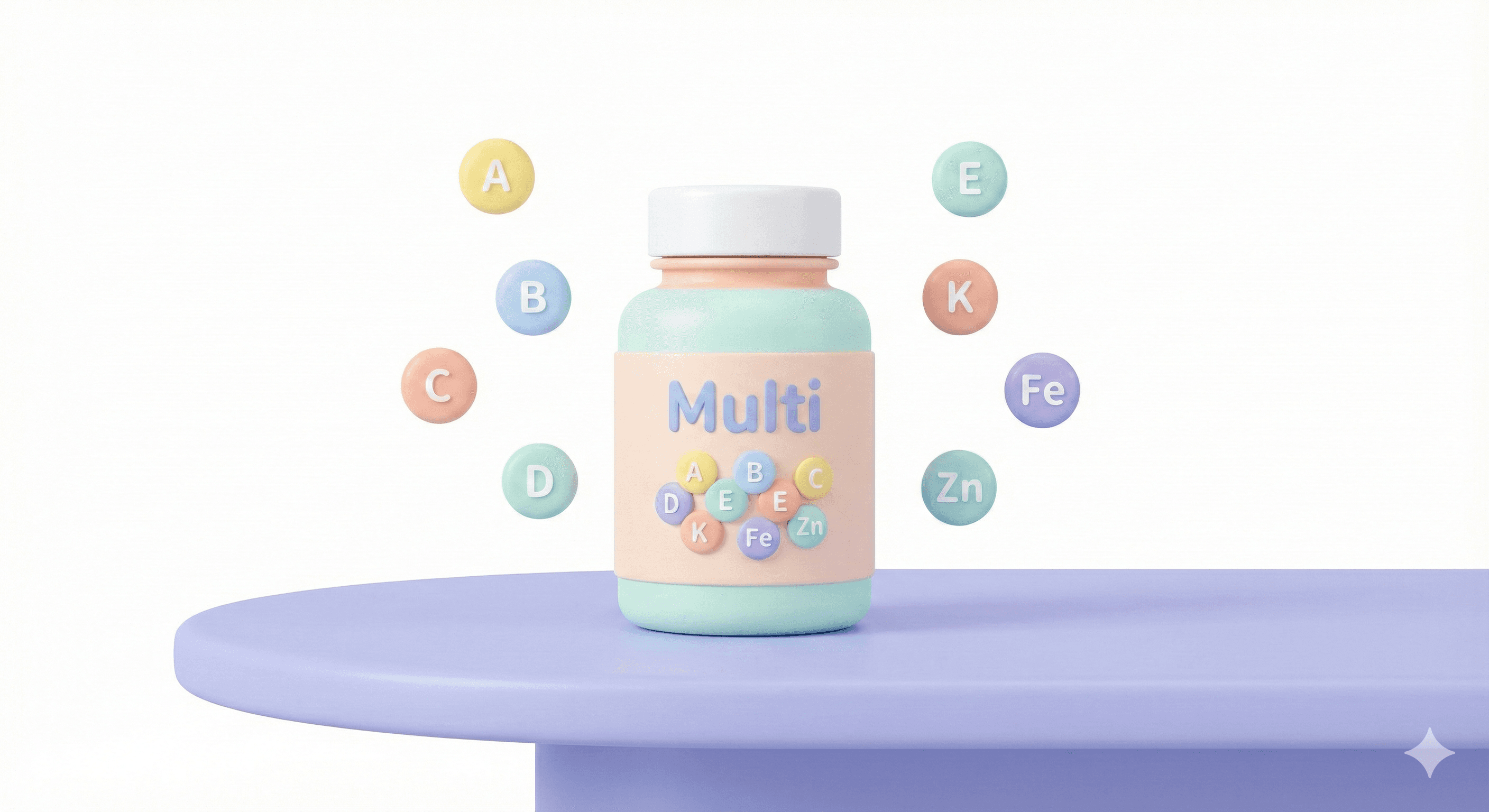
Multivitamins
Multivitamins and multiminerals combine several vitamins and minerals in one product, often as syrups, drops, or chewable tablets for children. They can be helpful in situations such as:
- Severe, long-term picky eating;
- Very restricted diets (for example, due to certain food allergies or developmental disorders where the child accepts only a few specific foods);
- Chronic illnesses that increase nutritional needs or reduce absorption.
In these cases, a doctor or dietitian may recommend an appropriate multivitamin that:
- Is designed for the child’s age group;
- Does not provide far more than about 100% of daily needs for each nutrient per dose;
- And does not create overlapping doses with other supplements (for example, if the multivitamin contains iron, the separate iron supplement dose must be adjusted).
Importantly, a multivitamin is never a substitute for a meal. Skipping breakfast and saying, “It’s fine, we’ll just give a multivitamin,” is the wrong mindset. A multivitamin can only be a helper, for a defined period, under medical supervision.
Tips for buying and using supplements
If, after assessing growth and lab tests, your doctor determines that your child needs a supplement and you decide to buy it, there are several basic rules that help reduce risk and increase benefit.
Choosing a quality, age-appropriate supplement
The first step is to choose a product with acceptable quality. Avoid no-name supplements, products sold only on social media without official approval, or formulations whose ingredients are not clearly specified.
Ideally, you should buy supplements from reputable pharmacies, and the packaging should clearly show:
- The approval label of official health authorities in your country;
- For imports, relevant international quality standards and certificates;
- And a full list of ingredients with amounts (for example, how many milligrams of iron, how many units of vitamin D, etc.).
Products that only print “proprietary formula” without specifying exact amounts are not reliable.
The supplement must also be age-appropriate. The needs of a 2-year-old and a 15-year-old are completely different. Using adult multivitamins or supplements for children can lead to intake of excessively high doses of vitamins and minerals and risk toxicity. The recommended age range is usually printed on the packaging.
Reading the label and sticking to the recommended dose
After choosing a supplement, read the label carefully, including:
- The recommended dose based on age and/or weight;
- How many times a day it should be taken;
- Whether it must be taken with food or on an empty stomach;
- Possible interactions with other medications.
The dose the doctor selects for your child must be treated as a red line. If the label says “one teaspoon per day,” you should not increase it to two or three spoons on your own thinking “more will make them grow better.” With nutrients, “more” often does not mean “better”—it can mean “more dangerous,” especially with fat-soluble vitamins (A, D, E, K) and minerals like iron.
Avoiding overlap and dose stacking
Sometimes families give several supplements at the same time, for example:
- A multivitamin;
- A separate iron drop;
- A calcium syrup;
- A zinc supplement;
- And maybe a herbal appetite syrup.
In such cases, the risk that certain nutrients (for example, iron, vitamin A, or vitamin D) exceed safe levels is high. That’s why all supplements the child is taking must be reported to the doctor, so they can adjust doses and avoid stacking. Taking multiple products that each contain some vitamin D can easily lead to overall intakes far above what the child needs.
On the other hand, some supplements interact with medications the child is taking, for example:
- Iron can reduce absorption of certain antibiotics;
- Some herbal supplements such as St. John’s wort can reduce the effectiveness of seizure medications or antidepressants.
So the doctor must be fully informed about every drug and supplement the child uses.
Avoiding products with exaggerated claims
Be suspicious of any product that claims:
- “Several centimeters of height increase within one month”;
- “A complete replacement for meals”;
- “Excellent height and weight without any need to change diet or exercise.”
Height growth is a process that depends on genetics, nutrition, hormonal health, and environmental factors. No pill or syrup can break the rules of biology in a short period.
Products that do not clearly list their ingredients, or hide behind vague phrases like “proprietary herbal blend,” probably contain things they don’t want you to know about. This is especially concerning when such products are sold online, in gyms, or outside standard pharmacy channels—they may contain steroids, stimulants, or unhygienic substances.
Expiration date, storage, and safety
Supplements, like other foods and medications, have expiration dates. Using an expired product may be ineffective or even dangerous. Therefore:
- Always check the expiration date before buying;
- After opening, store the bottle as instructed (in the fridge or a cool, dry place);
- Watch for unusual changes in color, smell, or taste. If you’re unsure, stop using it and consult a pharmacist or doctor.
A very important point: supplements—especially chewable, gummy, and fruity, sugary types—can be very attractive to children, who may see them as candy. Accidental ingestion of large amounts of vitamins or iron by a child leads to many emergency visits every year. Thus:
- Always keep supplements out of children’s sight and reach;
- Use child-resistant caps when possible;
- Explain to older children that vitamins are not “sweets” but medicines that should be taken only when an adult gives them.
Ongoing medical follow-up
Using supplements should not replace regular follow-up with a doctor. At each growth visit, the doctor:
- Checks height and weight on growth charts;
- Repeats blood tests if needed;
- Decides whether supplementation should continue, be adjusted, or be stopped.
If you’ve been using a supplement for several months but there is no change in growth or lab results, you should discuss with your doctor whether it is still necessary.
Warnings and precautions
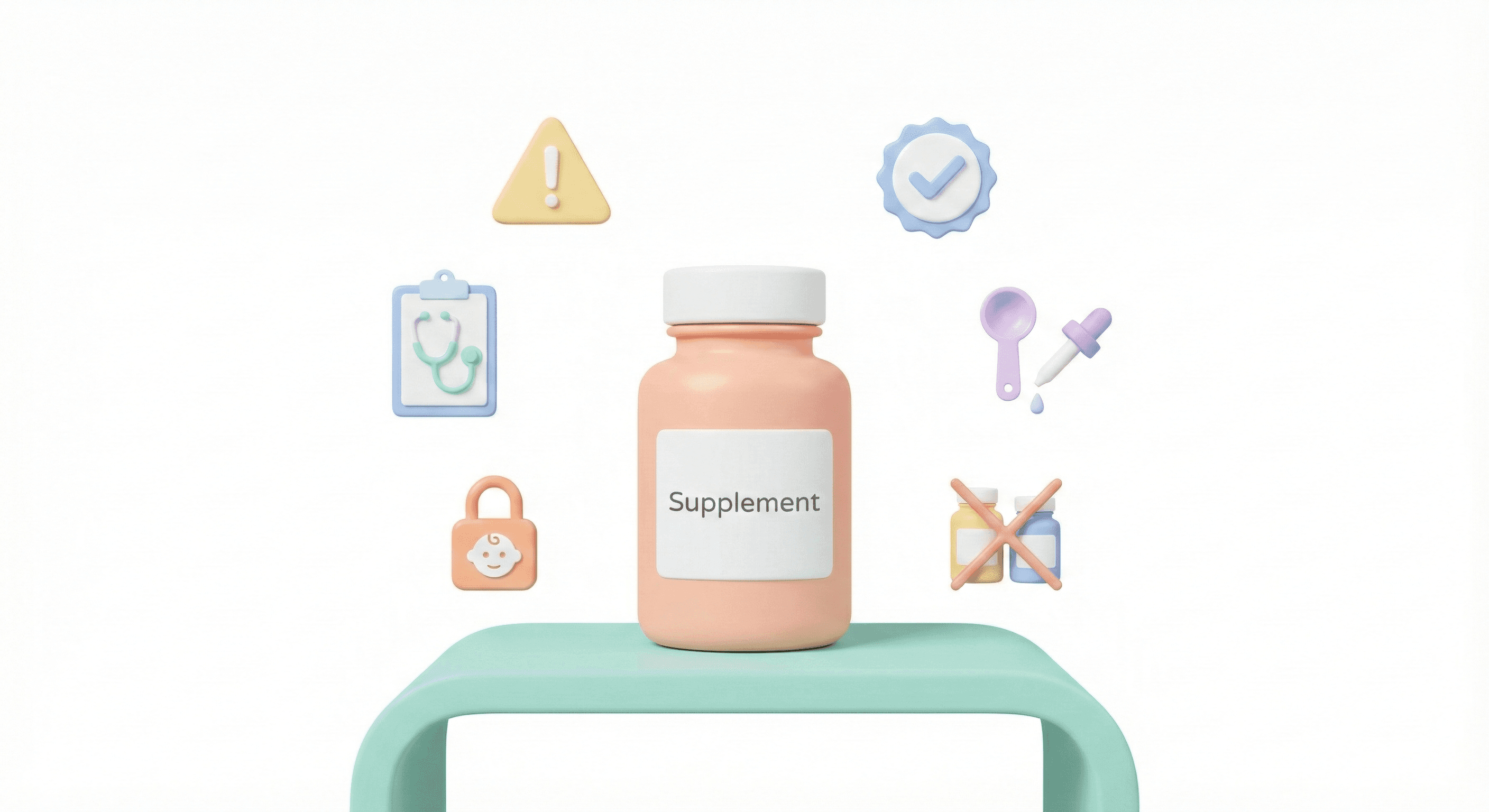
Alongside the potential benefits of supplements in appropriate situations, there are several significant risks and pitfalls that must not be ignored. Being aware of them helps you make more cautious decisions.
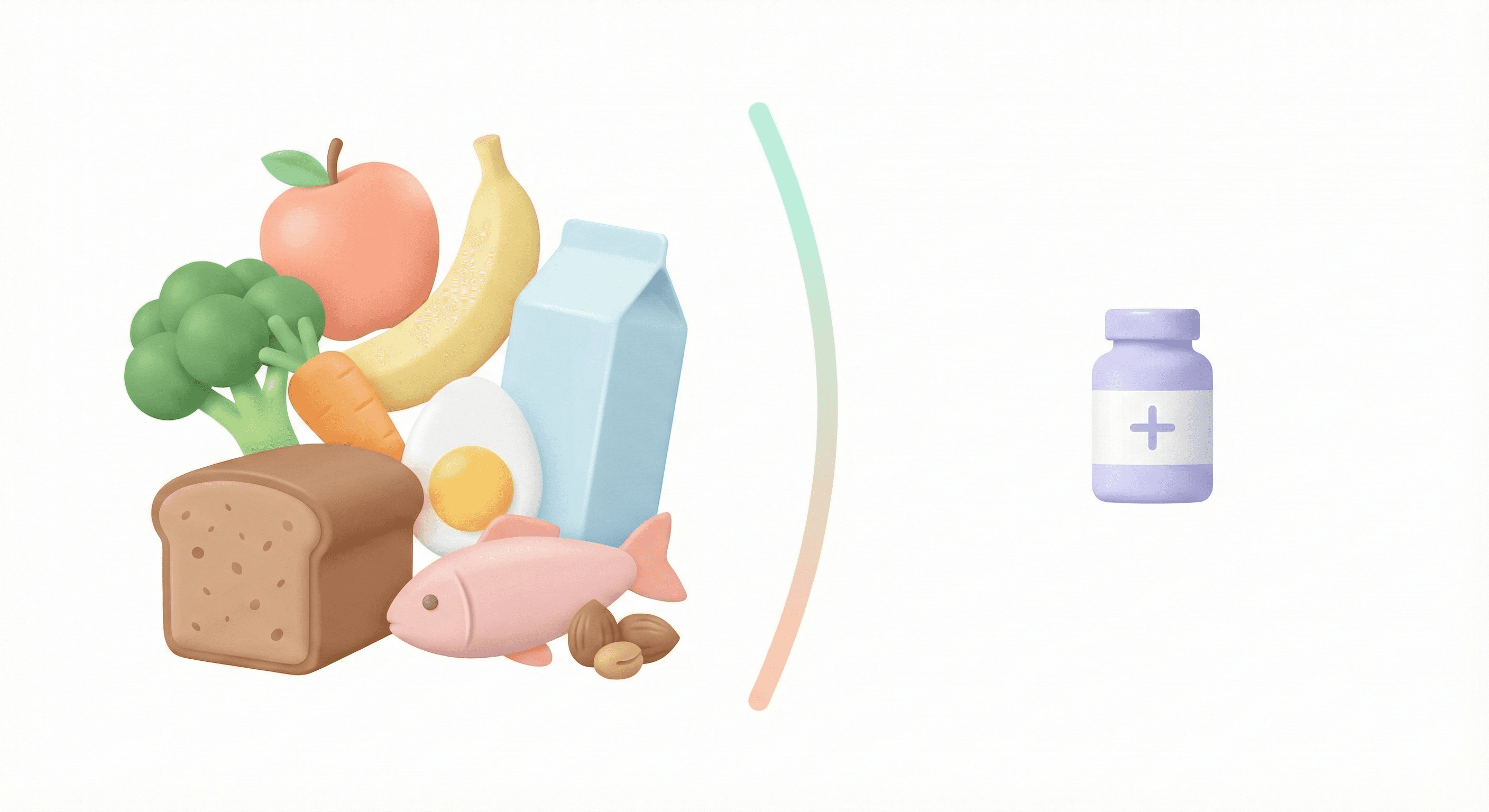
Supplements are not a replacement for healthy nutrition
The most important principle is that no supplement can replace healthy, fresh foods. To grow and stay healthy, a child’s body needs, besides vitamins and minerals:
- Enough carbohydrates for energy;
- High-quality protein to build tissues;
- Healthy fats for the brain and hormones;
- Fiber for gut health;
- Thousands of plant compounds (phytochemicals) found in fruits and vegetables,
none of which can be fully packed into a single pill or syrup. If a child does not have healthy, regular breakfast, lunch, and dinner, no amount of multivitamins or “growth syrups” can fully make up for it.
So the starting point must always be improving diet and lifestyle: regular meals, food variety, limited junk food and soda, sufficient sleep, and appropriate physical activity. Supplements have meaning only as add-ons in the context of genuine needs.
Risk of toxicity and overdose
Excess intake of certain vitamins and minerals can be dangerous and even life-threatening. For example:
- Vitamin A in very high doses can cause severe headaches, nausea, irritability, bone pain, liver problems, and bone issues.
- Vitamin D in very high doses can lead to markedly high blood calcium, calcium deposits in kidneys and vessels, nausea, weakness, and kidney damage.
- Iron in high doses is one of the most common drug poisonings in children and can cause vomiting, bloody diarrhea, shock, and serious damage to the liver and other organs.
These problems usually arise when:
- Several supplements are taken together without coordination;
- A child accidentally ingests a large quantity;
- Or someone mistakenly thinks “if one spoon is good, two spoons are better.”
If you suspect a child has swallowed a large number of supplements (for example, a handful of colorful chewable tablets), you should immediately contact emergency services or a poison center, rather than waiting for symptoms to appear.
Interactions with medications and underlying diseases
Children taking chronic medications (for epilepsy, heart or kidney disease, diabetes, etc.) or who have particular health conditions can be more sensitive to supplements. Some supplements may:
- Decrease or increase the effect of a drug;
- Exacerbate drug side effects;
- Or cause more severe side effects in the presence of certain illnesses.
For example, supplements containing potassium can be dangerous in children with kidney problems. Some herbal supplements may interact with seizure medications or blood thinners. Therefore, before starting any new supplement—even if it seems like “just a simple vitamin”—you need to discuss it with the child’s doctor.
Uncertain quality and purity of some supplements
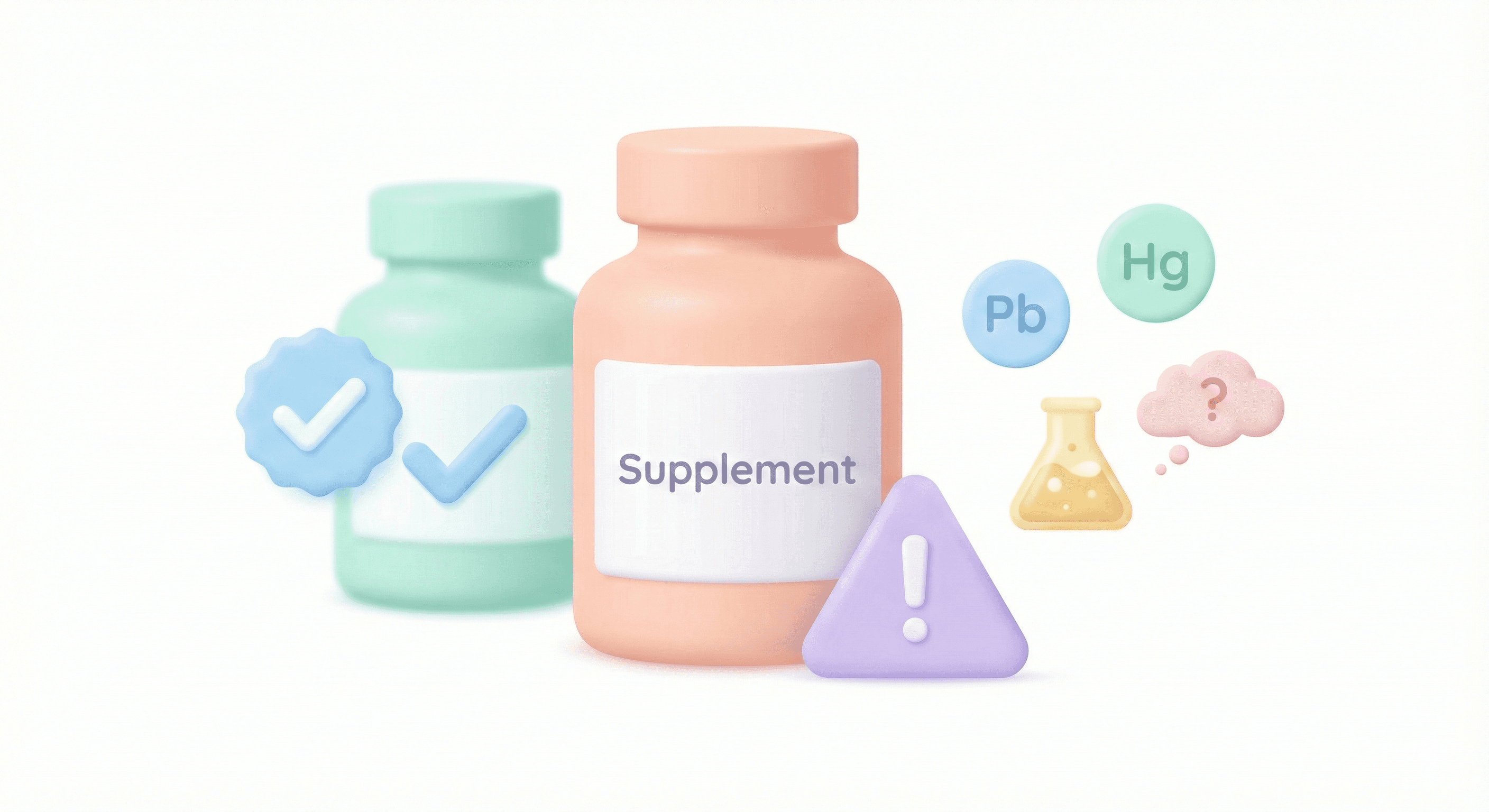
Unlike medications, which are usually produced under very strict regulations, some supplements may follow looser standards. Investigations in some countries have found that in a notable proportion of dietary supplements:
- The actual amount of vitamins or minerals differs from what the label states;
- Contaminants such as heavy metals (lead, mercury, etc.), hidden drugs (for example, steroids or sexual enhancers), or microbial contamination are present.
This concern is especially relevant for bodybuilding supplements and products that claim to “rapidly increase height” or “dramatically boost muscle in a short time.” Such products can have long-term harmful effects on hormones, liver, kidneys, and heart in children and teens.
Choosing supplements with official approvals from health authorities, preferably from reputable manufacturers, and avoiding shady, heavily marketed products is an important step in reducing this risk.
Being realistic about advertising and biological limits
Many growth supplement ads prey on parents’ worries about short stature or thinness. It’s important to remember:
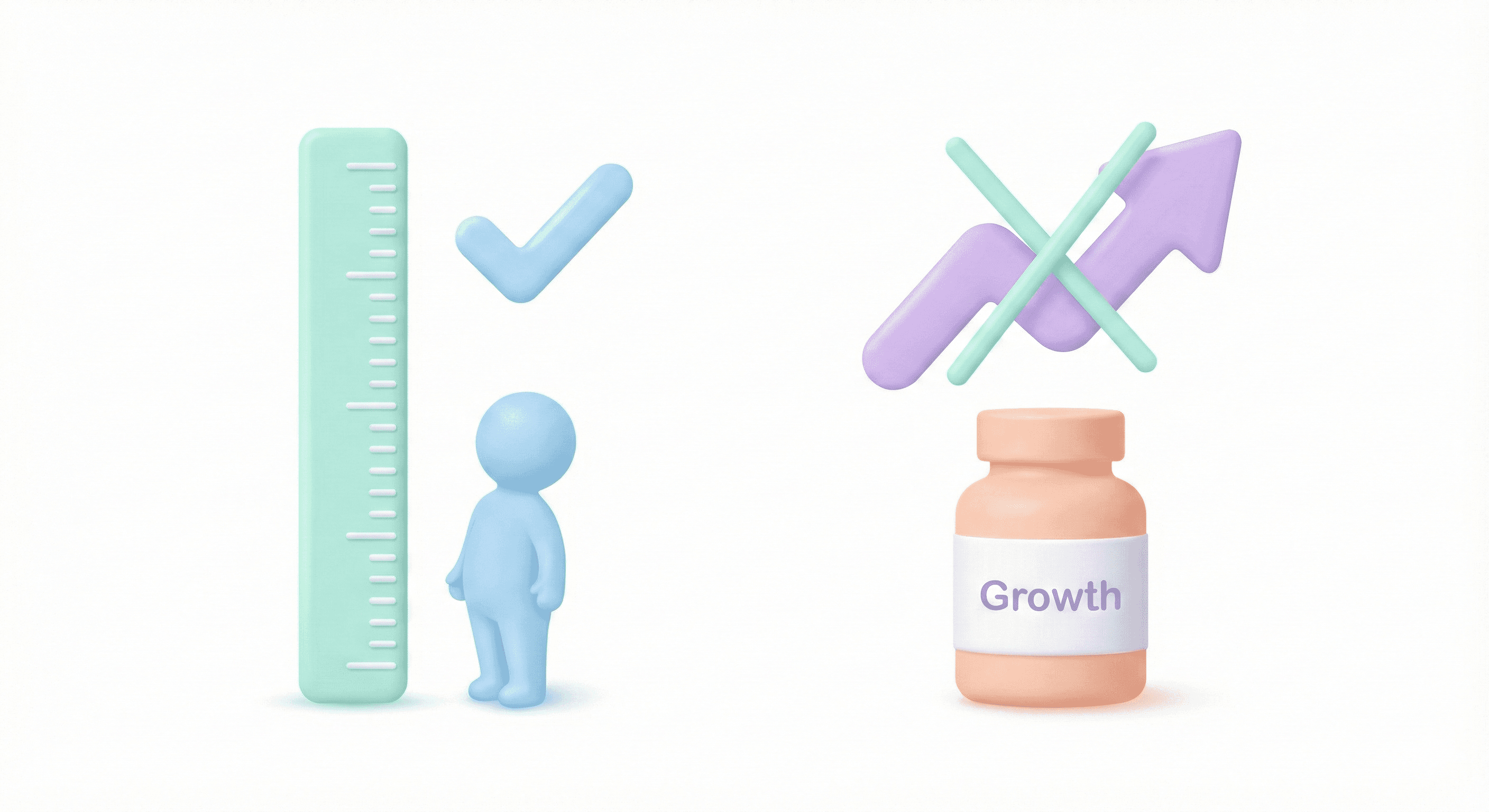
- A person’s final height is largely determined by genetics. Good nutrition, adequate sleep, exercise, and hormonal health help a child reach their genetic potential but cannot push height far beyond it.
- Growth plates in bones close towards the end of adolescence. After that, height growth stops and no pill or syrup can make closed bones grow again.
Therefore, a product that claims “no matter your age, you can add several centimeters each month” is not scientifically honest. The priorities should be proper nutrition during childhood and adolescence and timely medical evaluation if there are growth concerns.
Recognizing situations that require specialist evaluation
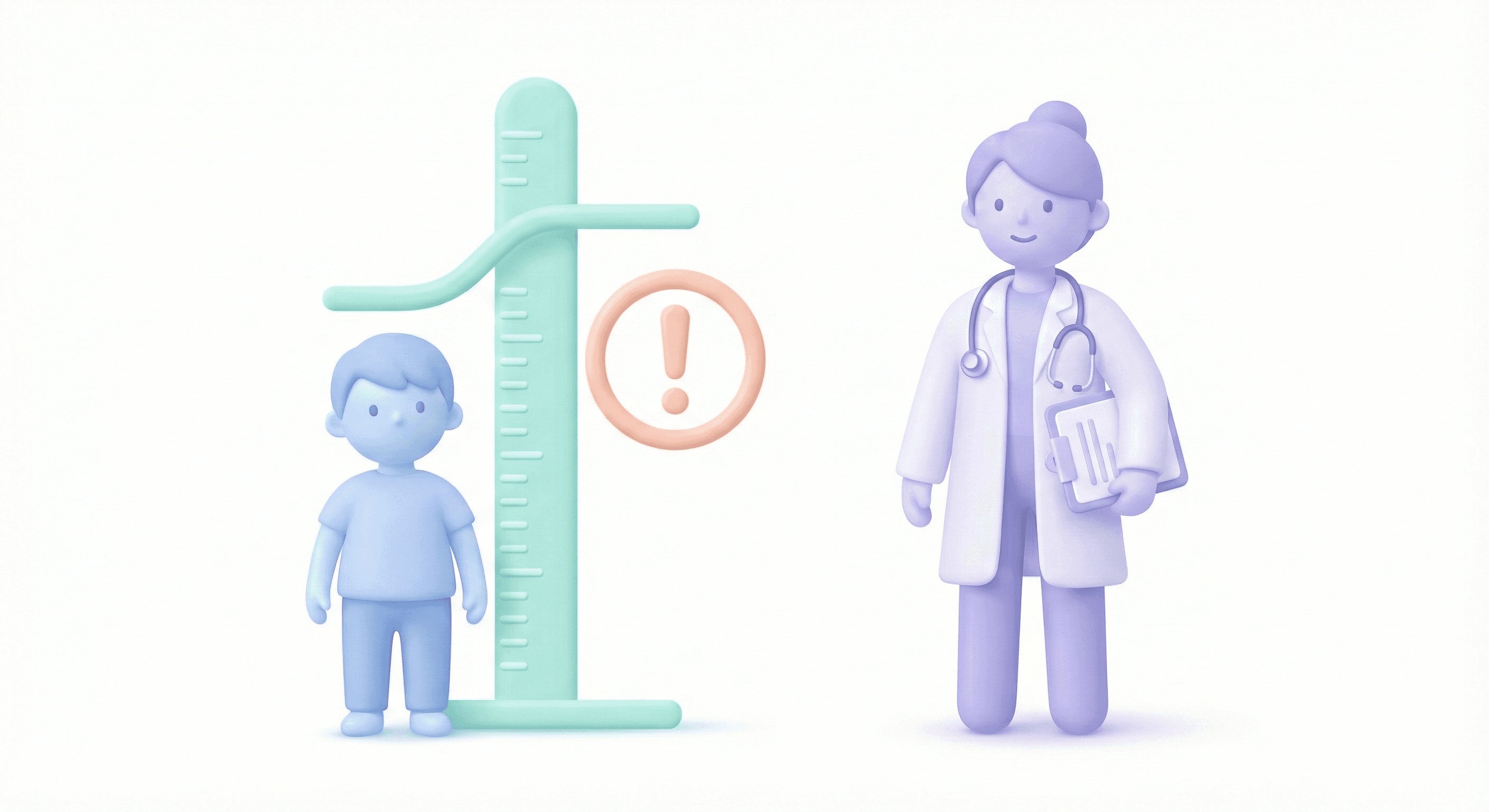
If your child is significantly behind on growth charts (much shorter than peers, or height growth seems to have stopped), or has other issues (such as extreme fatigue, very early or very delayed puberty signs, or other red flags), the situation is more serious than what simple supplements can address.
In such cases, you should see a pediatric endocrinologist or growth specialist. Sometimes the problem is growth hormone deficiency, thyroid disorders, or hidden chronic illnesses that require lab tests, imaging, and specialized treatment. Self-prescribing supplements in these situations may only waste precious time.
Watching for warning signs during use
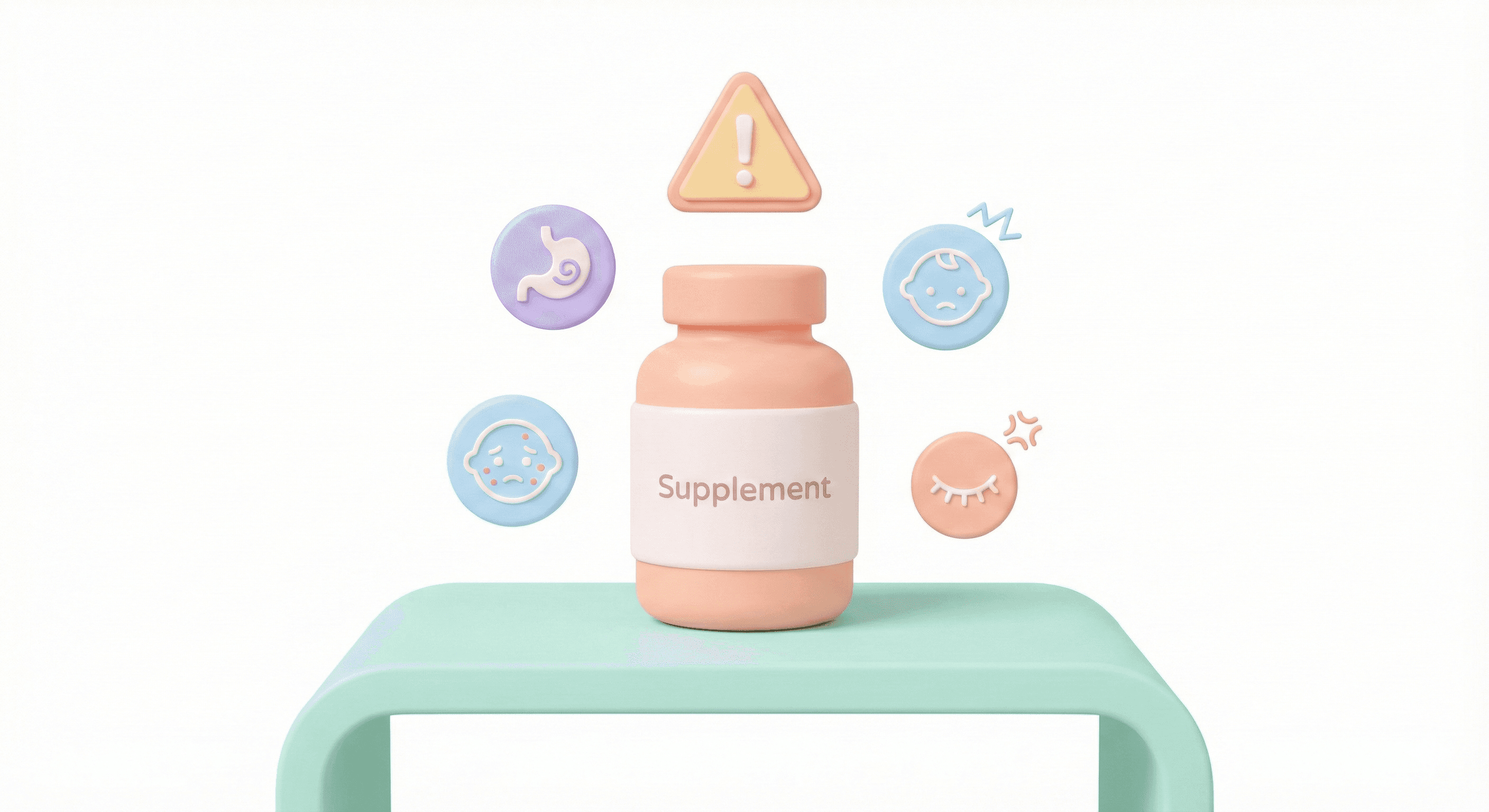
While using any supplement, watch your child’s general condition. If the following appear, stop the supplement and contact a doctor:
- Skin rashes, itching, swelling of lips, tongue, or face;
- Severe nausea, repeated vomiting, abdominal pain;
- Severe or persistent headache;
- Unusual restlessness or excessive sleepiness;
- Any new symptom that started around the time the supplement was introduced.
Some of these might represent allergic reactions or toxicity and require prompt assessment.
The principle of “ongoing consultation with a doctor”
In the end, it is best to view supplements as something for which every decision about starting, continuing, or stopping should be made together with a health professional. Friends’ experiences, social media tips, or flashy advertisements are no substitute for individualized medical evaluation. Each child’s body is different; what helped one child may be useless or harmful for another.

Conclusion
Healthy growth in a child is the result of a coordinated set of factors: adequate, varied nutrition; good sleep; physical activity; mental well-being; genetics; and regular medical care. When used correctly and in the right context, dietary supplements can help correct deficiencies alongside these factors—but they should never be assigned the main role.
In this article, we saw that:
- Vitamins such as D, A, B-group, and C are vital for bone strength, blood formation, immune function, and metabolism, but self-prescribing high doses can be dangerous.
- Minerals like calcium, iron, zinc, and iodine form the foundation of height growth, blood production, and thyroid function, and deficiencies must be corrected under medical supervision, not simply based on others’ suggestions.
- Proteins and amino acids are essential for building muscles and body tissues, and if dietary intake is inadequate, special protein supplements for children and teens may be needed—but only as prescribed by specialists.
- Supplements such as omega-3, probiotics, herbal products, and multivitamins each have their own place and limitations, and scientific evidence for their impact on height growth is not always strong or conclusive.
- When buying and using supplements, attention to quality, age-appropriateness, dosing, avoiding overlap, expiration dates, and safe storage is essential.
- Misuse, high doses, drug interactions, poor quality, and trust in exaggerated marketing can turn supplements from helpful tools into serious risks.
Whenever you feel uncertain or worried about your child’s growth—whether short stature, underweight, or even overweight—the wisest step is to talk to a pediatrician or pediatric dietitian. That conversation may include reviewing growth charts, assessing daily diet, deciding whether supplements are needed, and ordering tests if necessary.
Remember: every child has their own unique growth path. Your goal is not to force them into a specific number or chart, but to ensure that within their genetic potential and circumstances, they grow as healthy, strong, and happy as possible. Supplements, when used in the right way, can be one of the tools to reach this goal—but they are not the only tool, and without proper nutrition, a healthy lifestyle, and medical care, they will not be enough.